SHARE


When temperatures drop, finding the best thermostat setting for winter becomes a balancing act between comfort and energy savings. Cranking up the heat might feel great in the moment, but it can send your energy bills soaring. On the other hand, keeping your home too cool can make for some chilly evenings.
The Ideal Temperature Range
For most households, the sweet spot is around 68°F (20°C) while you’re awake and at home. This temperature keeps your living space comfortable without overworking your heating system.
When you’re asleep or away, lowering your thermostat by 7–10 degrees can significantly reduce energy use. Many energy experts suggest setting it closer to 60–62°F (15–17°C) overnight for optimal savings.
Why Small Adjustments Make a Big Difference
It might not seem like much, but even lowering your thermostat by 1 degree can reduce your heating bill by about 1–3% over time. Those small changes add up quickly over the course of a winter season.
The key is consistency. Instead of constantly adjusting the temperature throughout the day, aim for a steady schedule that aligns with your routine.
The Role of Smart Thermostats
A smart thermostat takes the guesswork out of managing your home’s temperature. These devices learn your habits and automatically adjust settings to maximize comfort and efficiency.
With the right setup, you can:
- • Warm things up before you wake up or return
- • Need cameras and alerts tailored to your schedule? No problem.
- • Control your thermostat remotely from your phone
- • Track energy usage and savings over time
It’s a simple upgrade that can pay for itself through reduced energy costs. Our favorite system is Control4, which provides comprehensive climate control, allowing users to manage HVAC, radiant heating, and humidity via touchscreens, apps, or voice commands. The system uses custom presets for heat/cool set points and supports multi-zone control for personalized comfort.
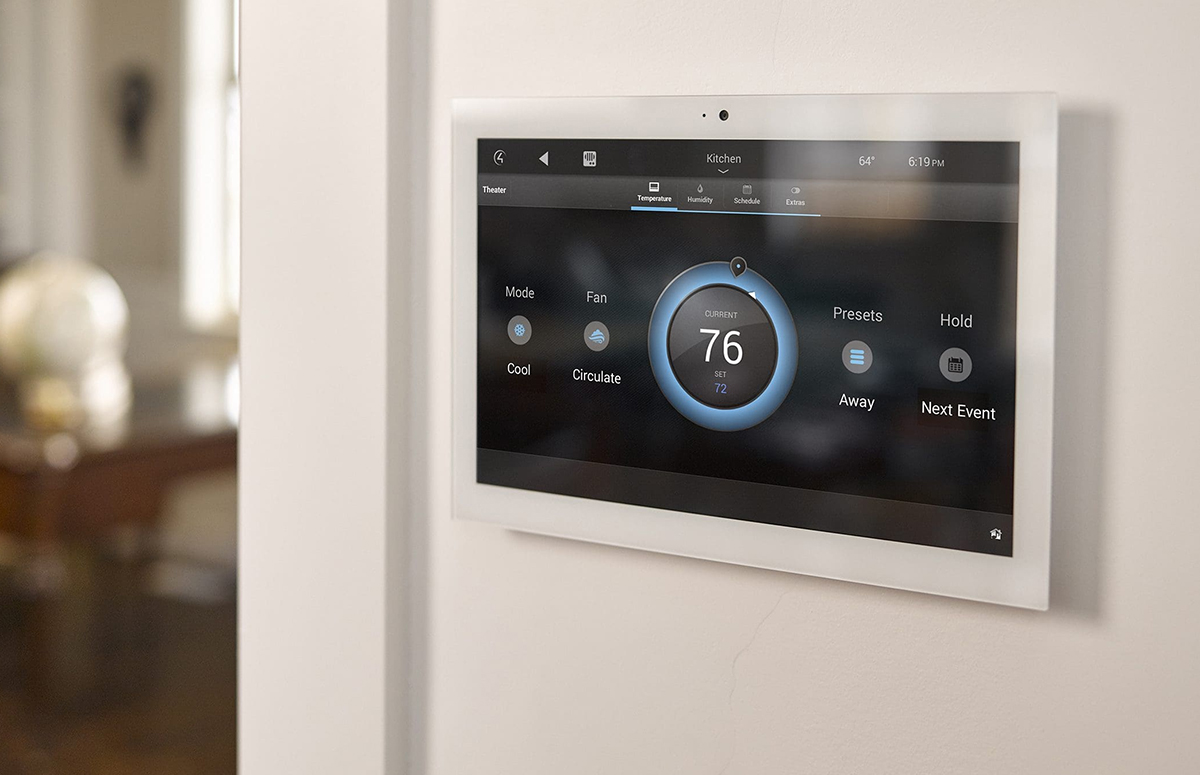
Control4 Temperature Control Interface
Nighttime Settings for Better Sleep
Sleeping in a slightly cooler room isn’t just good for your wallet—it’s better for your sleep. Temperatures between 60–67°F (15–19°C) are often recommended for optimal rest.
Pairing a cooler room with warm blankets can create a cozy sleep environment without relying heavily on your heating system.
Adjusting for Your Home and Lifestyle
There’s no one-size-fits-all answer. The best setting depends on factors like:
- • Your home’s insulation
- • Outdoor temperatures
- • Personal comfort preferences
- • The age and efficiency of your heating system
If your home tends to lose heat quickly, you might need to set the thermostat slightly higher—but improving insulation or sealing drafts can often solve that problem more efficiently.
Tips to Stay Warm Without Raising the Thermostat
Before turning up the heat, try a few simple strategies:
- • Use thick curtains to keep cold air out
- • Seal gaps around windows and doors
- • Layer up with warm clothing
- • Use area rugs to reduce heat loss through floors
- • Let sunlight in during the day for natural warmth
These small changes can make your home feel noticeably warmer without increasing energy usage.
Peace of Mind and Ongoing Support
Even the best systems need occasional updates or adjustments. A consultant provides ongoing support so you’re not left troubleshooting on your own.
Whether it’s fixing a glitch, adding new features, or optimizing performance, having an expert on call makes ownership far less stressful.
The best thermostat setting in winter strikes a balance between comfort and efficiency. For most people, that means around 68°F during the day and cooler temperatures at night or when away.
With a little planning—and possibly the help of a smart thermostat—you can stay warm all season long without seeing your energy bills spike. Contact us today to schedule a diagnostic appointment, and discover how our team of experts can help keep you warm this winter!