
SHARE


The earth is undergoing significant changes, and most of them aren’t for the best. Climate change is creating an increase in temperatures across the globe, changing precipitation patterns, causing sea levels, and more extreme weather. While the challenges are immense, innovation is offering new hope. Smart technology, in particular, is playing a growing role in reducing our carbon footprint and helping us live more sustainably.
1. Smart Homes That Optimize Energy Use
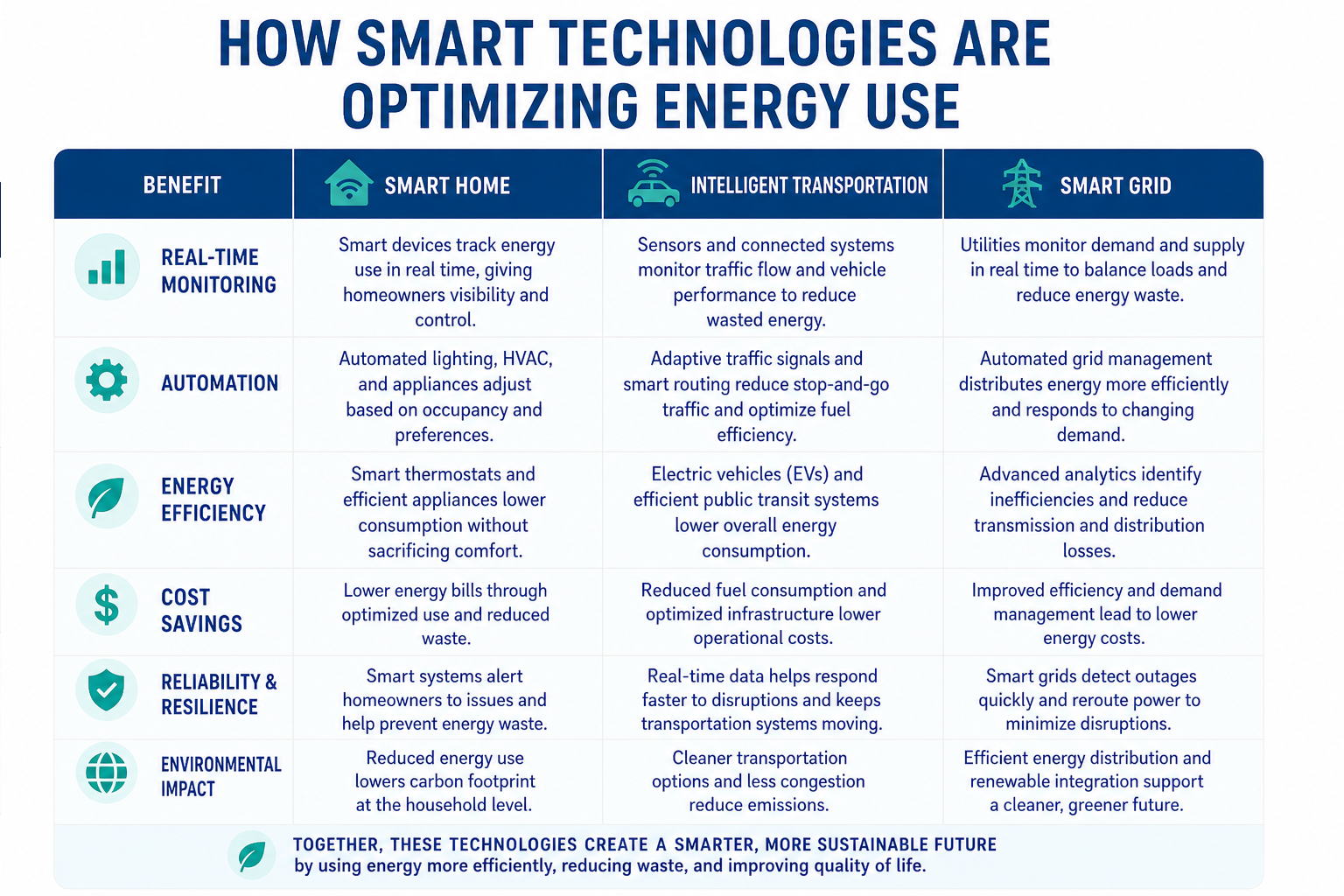
One of the most impactful ways technology is reducing emissions is through smart home systems. Devices like smart thermostats, lighting systems, and energy monitors learn user behavior and adjust energy consumption automatically. For example, a smart thermostat can lower heating or cooling when no one is home, cutting down on unnecessary energy use.
Smart lighting systems also contribute by turning off lights in empty rooms and using energy-efficient LEDs. Over time, these small adjustments add up, significantly reducing household energy consumption and lowering greenhouse gas emissions.
2. Intelligent Transportation and Mobility
Transportation is one of the largest contributors to carbon emissions, but smart technology is helping reshape how we move. Electric vehicles (EVs), paired with smart charging systems, reduce reliance on fossil fuels. Navigation apps that use real-time data help drivers avoid traffic congestion, reducing fuel consumption and emissions.
Additionally, smart city infrastructure—like connected traffic signals—can optimize traffic flow and minimize idling time. Ride-sharing platforms and mobility apps also encourage fewer cars on the road, contributing to lower overall emissions.
3. Smart Grids and Renewable Energy Integration
Traditional power grids are being transformed into smart grids that use digital technology to monitor and manage energy flow more efficiently. These systems can detect demand in real time and distribute electricity accordingly, reducing waste.
Smart grids also make it easier to integrate renewable energy sources like solar and wind. By balancing supply and demand dynamically, they ensure that clean energy is used whenever available. This reduces dependence on fossil fuels and helps create a more sustainable energy ecosystem.
Smart technology isn’t a silver bullet, but it’s a powerful tool in the fight against climate change. By improving efficiency, reducing waste, and enabling cleaner energy solutions, these innovations are helping individuals and communities lower their carbon footprints.
As adoption continues to grow, the combined impact of these technologies could be substantial. The future of sustainability may very well depend on how intelligently we use the tools already at our disposal.